


Benefits of Handicraft Products for Sustainable Living
Updated: Jan 26
Handicraft products hold a special place in the world of consumer goods. Unlike machine made items, these products carry the mark of human creativity, skill, and tradition. Choosing handicrafts means more than just buying a product; it means supporting culture, sustainability, and individuality. This post explores the many benefits of using handicraft products and why they deserve a place in your life.https://www.bharathandcrafts.com/

Wooden art handmade products
The Value of Authenticity and Individuality
Handicraft products are unique because each piece is made by hand, often with traditional techniques passed down through generations. This authenticity means no two items are exactly alike. When you buy a handicraft, you own something real that reflects the artisan’s skill and creativity which is not identical with another one.
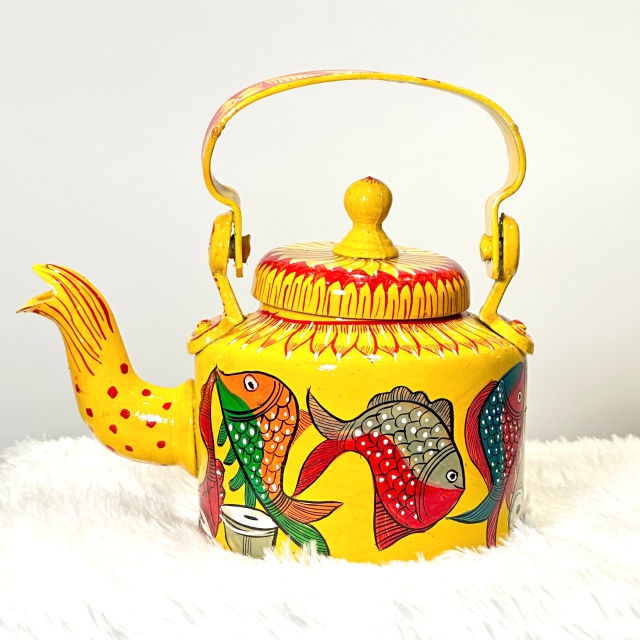
Individual character: Unlike factory-made goods, handicrafts show slight variations that add charm and personality. Handmade items are usually use better material and meticulous attention to detail.
Cultural heritage: Many handicrafts carry https://www.bharathandcrafts.com/product-page/pattachitra-art-tea-kettlestories and symbols from the artisan’s culture, preserving history in tangible form. For example Warli Art from Maharashtra, Madhubani from Bihar, blue pottery & Block- print from Rajasthan show the rich culture and uniqueness of art.
Personal connection: Holding a handmade item often creates a deeper emotional bond than owning a machine-produced product.
For example, a handwoven textile from a specific region may use patterns and colors that tell a story about the community’s traditions. This connection to culture enriches the experience of using or displaying the product.
Supporting Local Economies and Artisans
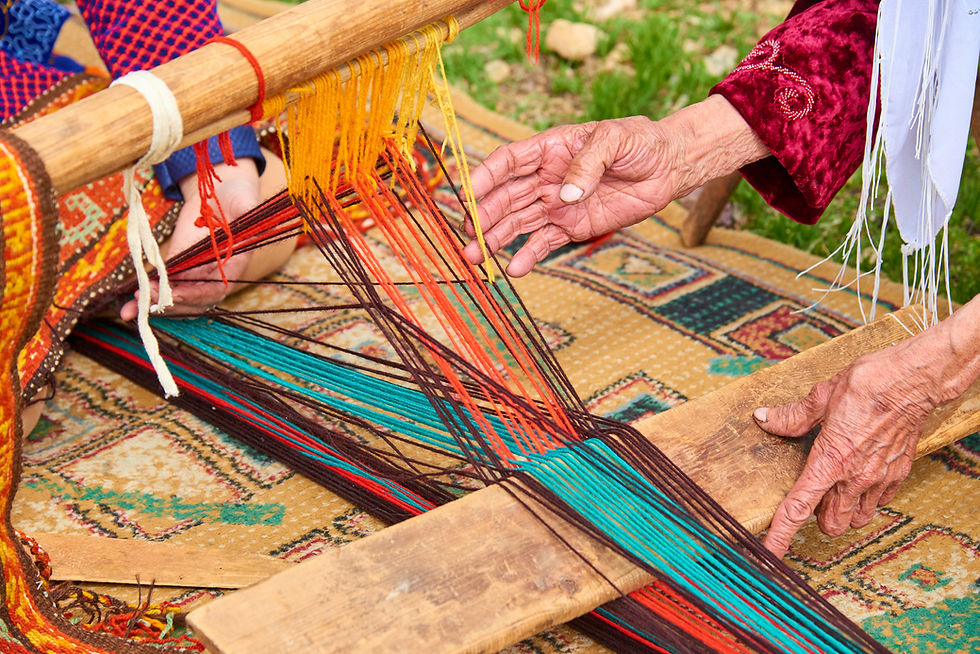
Buying https://www.bharathandcrafts.com/shophandicraft products directly benefits the artisans and their communities. Many handicraft makers work in rural or underdeveloped areas where job opportunities are limited. Purchasing their work helps sustain livelihoods and encourages economic growth at the local level.
Fair income: Handicraft sales often provide fair wages to artisans, helping them support their families.
Empowerment: Craftsmanship can empower under-represented groups, including women and indigenous people, by giving them financial independence.
Community development: Profits from handicrafts can fund education, healthcare, and infrastructure in artisan communities.
For instance, in countries like India, Nepal, and Mexico, handicraft cooperatives have lifted many families out of poverty by connecting artisans with global markets. When you choose handicrafts, you contribute to these positive social impacts.
Environmental Benefits of Handicraft Products

Handicrafts tend to have a environmental footprint compared to mass-produced goods. They often use natural, locally sourced materials and avoid harmful chemicals or plastics. I t has lower carbon footprint. The production process is usually manual, which reduces energy consumption and pollution.
Sustainable materials: Many artisans use renewable resources such as wood, cotton, bamboo, wool, or clay.
Low waste: Handmade production allows for careful use of materials, minimizing waste.
Durability: Handcrafted items are often made to last, reducing the need for frequent replacement.
For example, a hand-thrown ceramic vase made from local clay requires less energy than factory-made ceramics that rely on industrial kilns and synthetic glazes. Choosing such products supports environmentally friendly practices.
Enhancing Home and Lifestyle with Handicrafts

Handicraft products add warmth and character to living spaces. Their textures, colors, and imperfections create a cozy and inviting atmosphere. Using handmade items in daily life also encourages mindfulness and appreciation for craftsmanship.
Aesthetic appeal: Unique designs and natural materials bring beauty and authenticity to your home.
Functional art: Many handicrafts combine utility with artistic expression, such as hand-stitched cushions or carved wooden furniture.
Mindful consumption: Owning fewer but meaningful items promotes a simpler, more https://www.bharathandcrafts.com/product-page/sabai-grass-table-mats-set-of-6intentional lifestyle.
Imagine a handwoven rug in your living room that not only decorates the space but also tells a story of the artisan’s heritage. Such pieces become conversation starters and sources of pride.
Preserving Traditional Skills and Knowledge
Handicrafts keep traditional skills alive in a rapidly changing world. Many techniques used by artisans are centuries old and require years of practice to master. Supporting handicrafts helps preserve this knowledge for future generations.

Cultural continuity: Crafts maintain links to history, language, and identity.
Skill development: Artisans pass on their expertise to apprentices, ensuring the craft survives.
Innovation within tradition: Many artisans blend old methods with new ideas, creating fresh designs while respecting heritage.
For example, Japanese pottery styles like Raku or Korean hanji paper-making continue to thrive because of ongoing demand for handcrafted products. This preservation enriches global culture and diversity.
Economic and Emotional Value of Handicrafts as Gifts

Handicraft products make meaningful gifts because they show thoughtfulness and care. Giving a handmade item often feels more personal and special than giving something mass-produced.
Unique gifts: Handicrafts stand out as one-of-a-kind presents.
Support for artisans: Gift purchases help sustain craft communities.
Lasting memories: Handmade gifts often become treasured keepsakes.
A hand-painted ceramic mug or a hand-embroidered scarf can carry sentimental value for years. If someone gifts traditional handmade product to the people living abroad, they will feel home there. These gifts tell a story and reflect the giver’s intention to share something authentic.
Challenges and How to Choose Quality Handicrafts
While handicrafts offer many benefits, buyers should be aware of challenges such as counterfeit products or poor quality imitations. Here are tips to ensure you get genuine, well-made items:
Buy from trusted sources: Look for artisan cooperatives, fair-trade shops, or reputable online & offline platforms.
Ask about origin: Learn where and how the product was made.
Check craftsmanship: Inspect details like stitching, finishes, and materials.
Understand pricing: Handmade items may cost more due to labor and quality but offer better value over time.
By choosing carefully, you support authentic artisans and enjoy the full benefits of handicraft products.


Learning about Class 3 CBSE EVS highlights its accessible approach to skill development across academic subjects and foundational areas. The College of Contract Management offers training that complements this style and helps you advance both knowledge and career potential.
Learning about Class 9 CBSE Social Science highlights its accessible approach to skill development across academic subjects and foundational areas. The College of Contract Management offers training that complements this style and helps you advance both knowledge and career potential.
Learning about UNICCM School highlights its accessible approach to skill development across academic subjects and foundational areas. The College of Contract Management offers training that complements this style and helps you advance both knowledge and career potential.